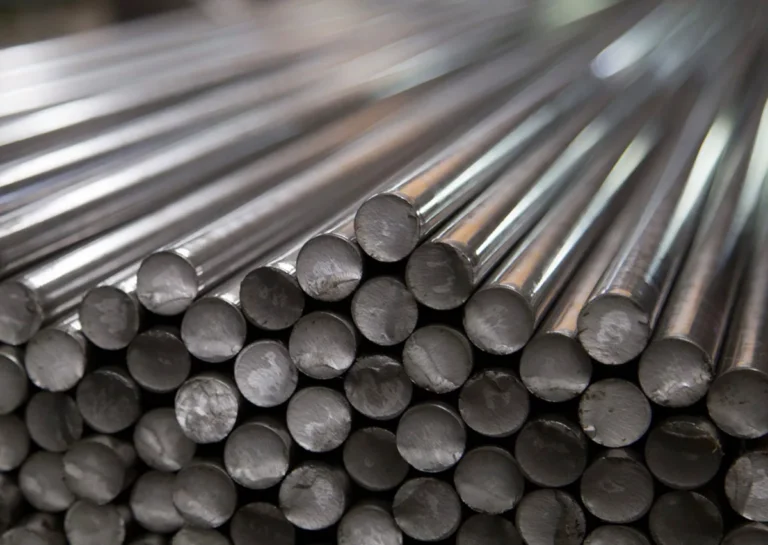
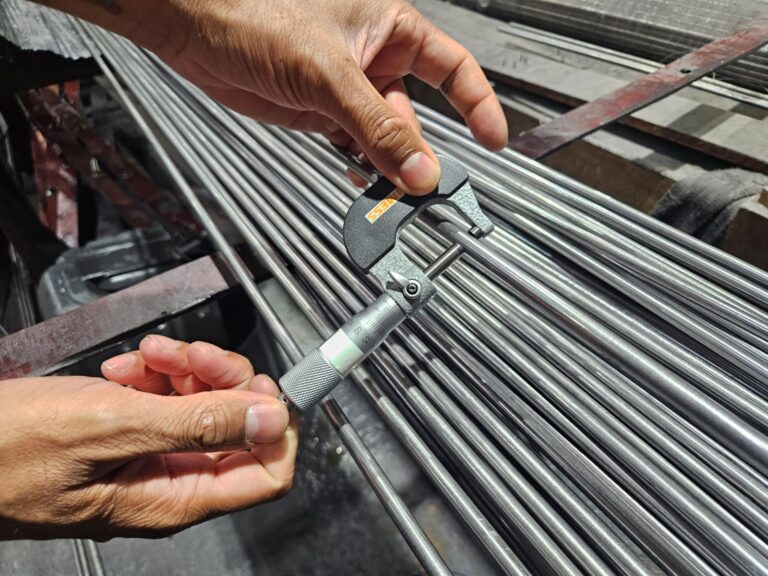
Theoretical calculation by diameter and length for Torcisão round-section wires.
Enter the actual diameter in millimeters.
Enter the total length.
Weight per meter0,000 kg/m
Total length0,00 m
Total weight0,00 kg
Tonnage0,000 t
Approximate quantity0
Theoretical result for a round profile. Dimensional tolerances and material characteristics may cause variation in actual weight. Confirm the final commercial conditions with the Torcisão team.
Grounding Rod Technical Guide: 20 µm vs 254 µm, Standards and Specification
Understand the differences between 20 µm and 254 µm grounding rods, which standards to check, how to evaluate connectors and what information is needed for specification and quotation.
Nathalia Simeão 22/09/2026 4 min read
Choosing a grounding rod means checking more than its diameter and length. First, check the copper layer. Next, review the project needs and the installation method. Also check the conductor connection and the standards that apply.
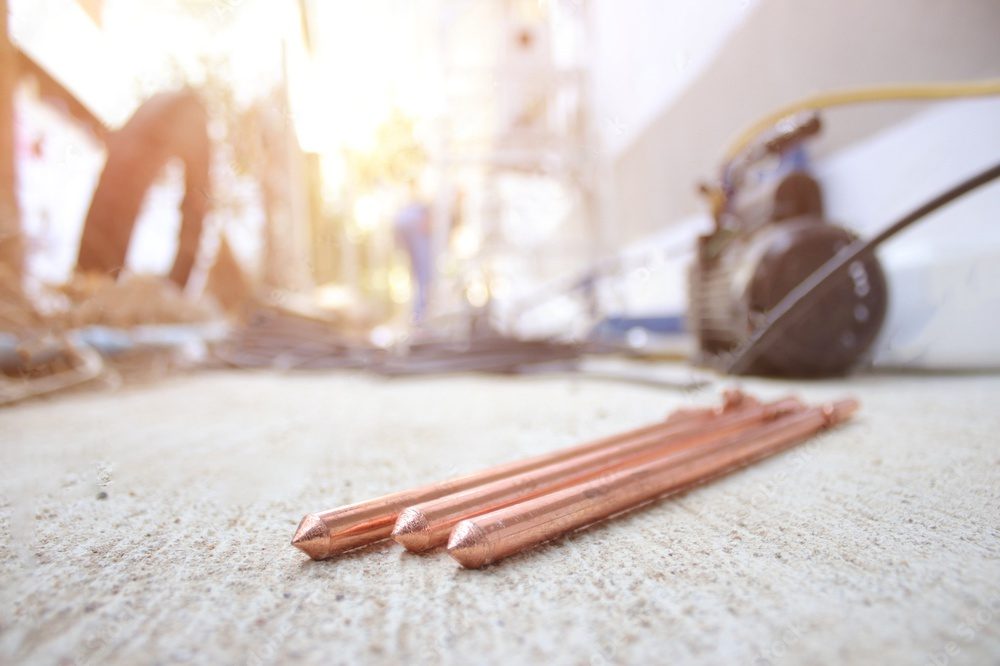
Torcisão offers two copper-layer options: low layer, up to 20 µm, and high layer, 254 µm. The project should define which one to use. Therefore, a thicker layer is not always the right choice.
What is a grounding rod?
A grounding rod connects an electrical system to the soil. In a lightning protection system, the rod works with other parts. These may include conductors, connectors and inspection boxes.
For that reason, check the rod as part of the whole system. Also review its size, copper layer, soil and drawing notes.
What is the difference between 20 µm and 254 µm grounding rods?
Characteristic
Low layer
High layer
Copper layer in the Torcisão line
Up to 20 µm
254 µm
How to assess
When this configuration meets the project specification and application
When the project requires a thicker nominal copper layer
Final decision
Follow the drawing, specification, applicable standard and the responsible engineer’s guidance
The main difference is copper-layer thickness. The high-layer option uses a thicker layer. However, thickness alone should not decide the choice.
The responsible engineer should also review the soil and the installation. The full system matters too. Therefore, copper thickness alone does not show how long the rod will last.
When should you evaluate low layer or high layer?
Before choosing the layer, review four points:
Project specification: check whether the drawing or customer standard sets a minimum layer.
Applicable standard: confirm which requirements apply to the installation.
Installation conditions: ask the responsible engineer to review the environment and soil.
Connection: confirm that rod, cable and connector match the specified system.
If the specification already sets the layer, follow it. Otherwise, ask the responsible engineer before you order.
Which standards should you check?
The standards depend on the project. Therefore, check which ones apply before installation.
ABNT NBR 13571: is a reference for copper-coated steel grounding rods and accessories.
ABNT NBR 5370: covers copper connectors for electrical conductors in power systems.
ABNT updated NBR 5419 in 2026 and split it into parts. Before installation, check which edition applies. Also review the project needs. Official standards should always come before commercial summaries.
Grounding rod connectors: what should you evaluate?
The rod-to-conductor connection is part of the specification. Torcisão offers four connector options: Standard Eye Connector, Reinforced Eye Connector, Standard U-Clamp and Reinforced U-Clamp.
Also check the rod, conductor and the way the system is built. Therefore, do not choose a connector only by its shape.
What information is needed for a grounding rod quotation?
A clear specification makes the quotation faster. Whenever possible, provide:
application or type of system;
required copper layer;
rod diameter;
length;
quantity;
connector model and cable, when applicable;
standard, drawing or other technical requirement.
During quotation, Torcisão checks available sizes and supply conditions. For current options, visit the Grounding Rod page.
How should you evaluate a grounding rod supplier?
Price matters, but do not use it as the only criterion. Therefore, check whether the supplier can confirm:
the requested copper layer;
diameter and length;
connector model, when required;
technical requirements from the buyer;
documentation for the supply;
availability and lead time;
a clear channel for technical and commercial questions.
This makes quotes easier to compare. It also lowers the risk of comparing different setups.
Frequently asked questions about grounding rods
Is a 254 µm grounding rod always the best choice?
No. The high-layer option has a thicker copper layer. However, choose it only when the project and installation conditions require it.
Can a 20 µm grounding rod be used in an LPS?
Do not decide only by layer thickness. First, check the project and ABNT NBR 5419. Then review the other installation requirements.
How do I know which diameter and length to buy?
Use the drawing or technical specification to set the diameter and length. If those details are missing, ask the responsible engineer.
Does Torcisão supply grounding rod connectors?
Yes. Torcisão offers eye connectors and U-clamps in standard and reinforced versions. Finally, confirm the right combination for the rod, conductor and project.
Grounding rods from Torcisão
Torcisão supplies low-layer and high-layer grounding rods. It also supplies connectors. To request a quote, send the copper layer, size, quantity and technical needs.